
The Slum2School Green Academy

An innovative, climate-smart school delivering quality education for children in underserved communities – powered by solar energy, rainwater harvesting, waste-to-biogas systems and eco-friendly designs. Support the pilot, sponsor children, and help build new academies.

Why This School Matters

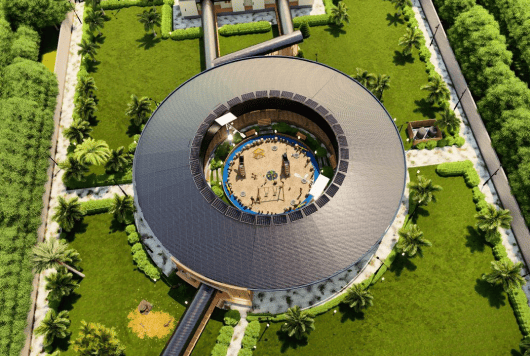
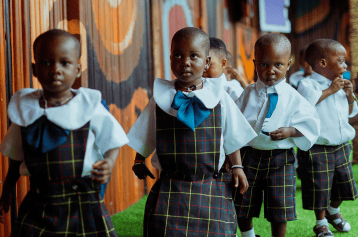
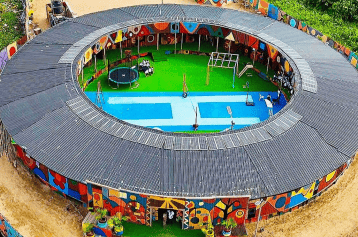
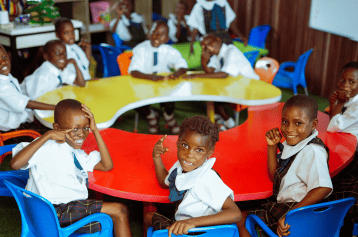
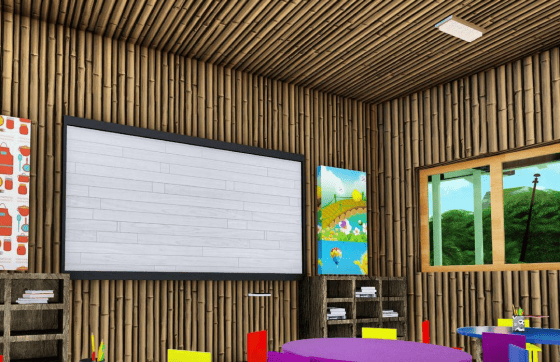
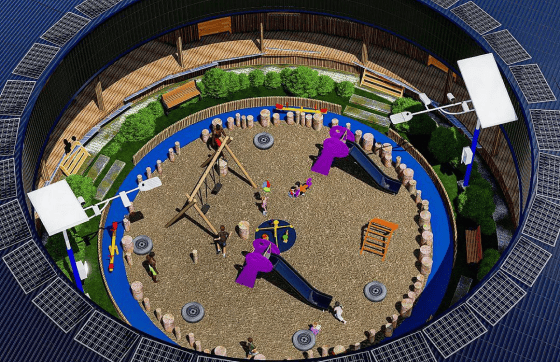
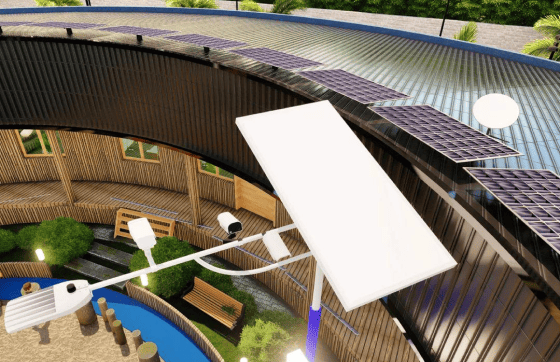
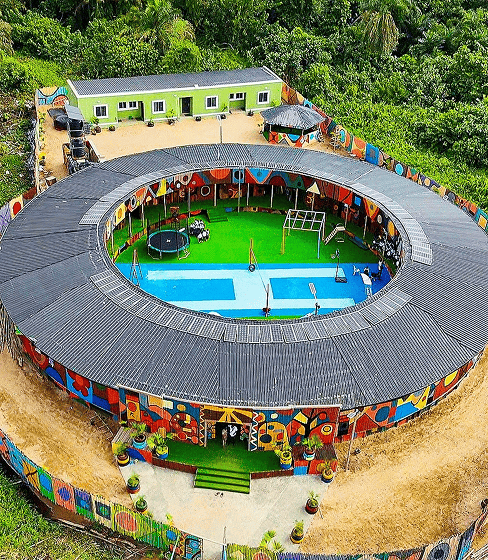
The Slum2School Green Academy is a first-of-its-kind, fully eco-friendly school proudly located in Epe, Lagos, Nigeria. Built with bamboo and powered entirely by solar energy, the Academy is designed with open-air ventilation and energy-efficient architecture.

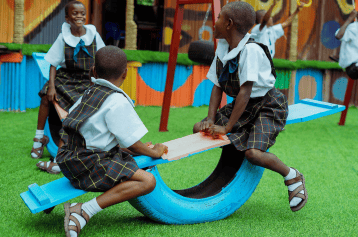
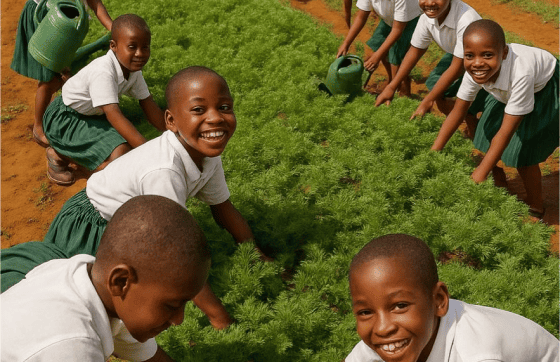
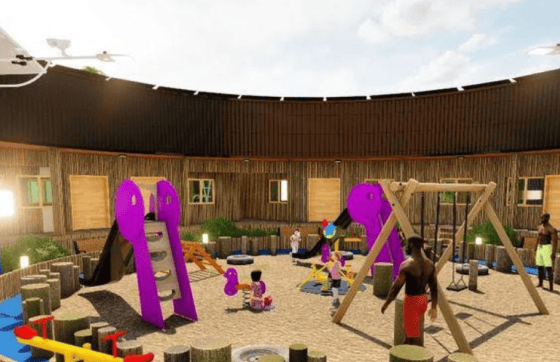
This climate-resilient model features rainwater harvesting, biodigester systems, outdoor classrooms, and lush school gardens – all crafted to blend learning with sustainability. Opening its doors to 250 children on full scholarships, the Green Academy stands as a beacon of innovation, equity, and hope for the future.

Why It Stands Out - Innovation at It's Core

Support a Child’s Future

With just $150, you can keep a child in school for an entire year.

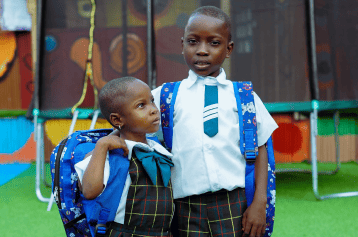
Your gift provides a full year of quality education; covering tuition, school supplies, health care, teacher salaries, comprehensive wraparound support services and a safe learning environment at the Green Academy.

Every child deserves this chance.

12345678 (1)

SCALING IMPACT - BEYOND SAGA

Saga is Just the Beginning

Our Vision

100+ Green Academies across Nigeria and Africa by 2030
Replicable in riverine, rural, and urban slum communities.
Aligns with global goals (SDG 4, 6, 7, 13, 17).

Every Child Deserves Quality Education

Take Action

Green Academy, Saga, Nigeria

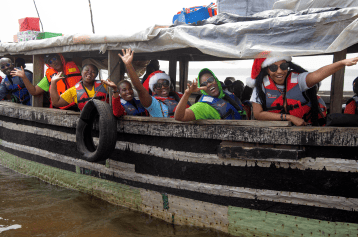
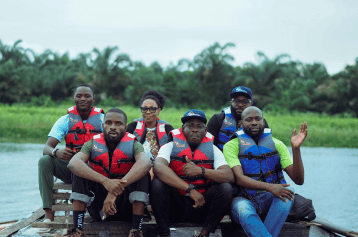
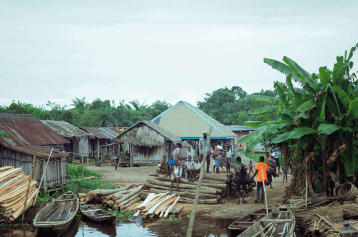
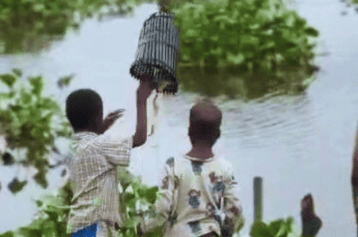
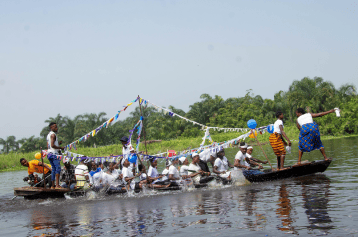
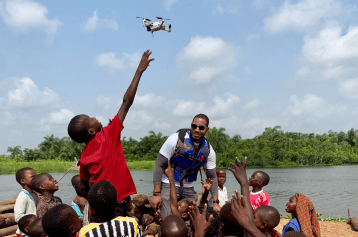
Saga is a small riverine community in western Nigeria where most families rely on fishing and subsistence farming. For decades, children in Saga had no access to formal education, with the nearest school hours away by canoe. Many grew up without learning to read or write, and opportunities for families remained limited, no clean water, electricity or health care.

Meet Our Pilot Academy

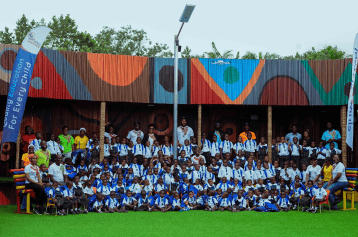
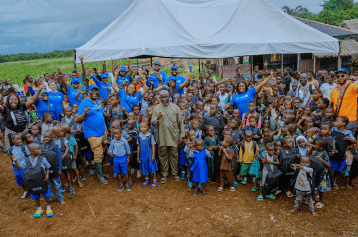
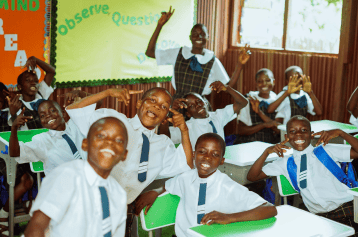
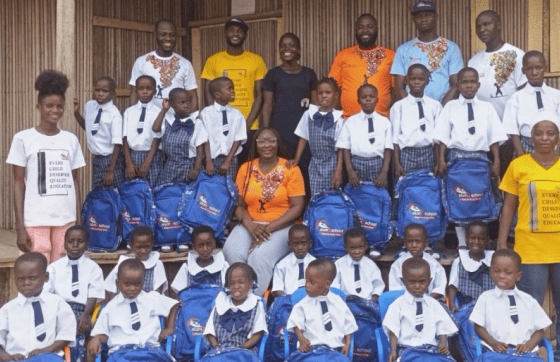
In 2025, we launched the very first Slum2School Green Academy in Saga. The Academy now provides 250 children across 8 communities with full scholarships and access to world-class, climate-smart classrooms powered by solar energy and connected by satellite internet. Families also benefit from clean water through rainwater harvesting, renewable energy from solar and biogas, healthcare and community gardens that improve nutrition.

Saga’s story is the beginning, with your support, entire communities across Africa can experience this transformation.

Frequently Asked Questions

The Green Academy is a first of its kind community school built with bamboo and reclaimed wood, powered by solar energy, and equipped with clean water systems. It provides free quality education to 250 children in the Saga riverine community of Lagos.

It’s more than a school, it’s a living blueprint for climate-smart education. With solar power, rainwater harvesting, biogas digesters, outdoor classrooms, and satellite internet, it combines sustainability with innovation for learning.

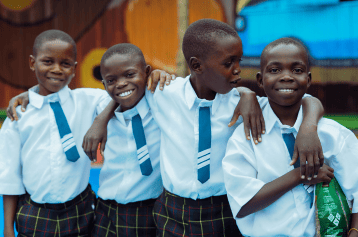
The school serves 250 children from Saga and neighboring riverine communities, giving them access to formal education, technology, and safe learning spaces for the first time.

The Academy was built using bamboo, reclaimed wood, and recycled materials, designed with local artisans, and supported by community members. Every detail blends sustainability with affordability.

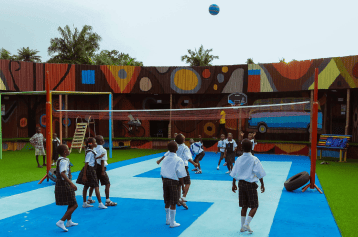
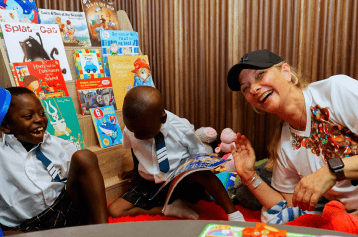
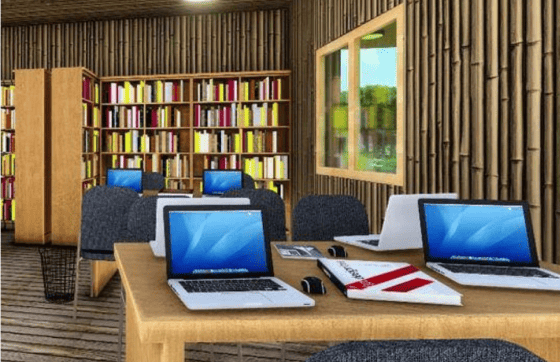
The Academy has 25 rooms, including classrooms, a library, a computer lab, outdoor learning gardens, toilets, and teacher and staff quarters, all designed for open-air, naturally ventilated learning.

The school is 100% solar-powered, has a biogas system for waste, and a rainwater collection & treatment system to ensure self-sufficiency off the grid.

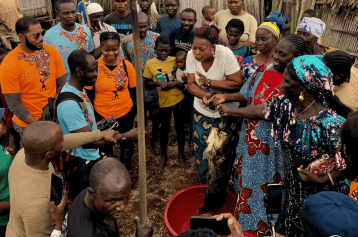
Beyond educating children, the school provides jobs for local artisans, inspires sustainable practices, and connects the community to the internet and power for the very first time. Parents and caregivers are trained to convert water hyacinths to baskets and recycled materials.

Yes. All 250 children receive full scholarships, covering tuition, uniforms, and learning materials, thanks to partners and donors.

You can sponsor a child, adopt a classroom, support expansion to other communities, or contribute expertise. Every partnership helps scale this model across Nigeria and Africa.

Saga is only the beginning. Our vision is to replicate 100+ Green Academies across Nigeria and Africa, ensuring no child is left behind because of where they are born.

Partners

Education is not just about classrooms. It is about dignity, inclusion, opportunity, and the future. The Slum2School Green Academy is where hope meets sustainability. Join us in rewriting the story of education for Africa’s children.

1

Built with sustainably sourced bamboo, reclaimed wood, and locally sourced materials- reducing carbon emissions while providing durable, safe spaces for learning. These materials are low-cost, renewable, and naturally cooling, perfect for Africa’s climate.

2

Solar Power

Every Green Academy runs fully on clean solar energy. This ensures classrooms, labs, and digital tools stay powered without reliance on
unstable grids or generators. With solar, learning continues seamlessly, even at night or during power cuts.

3

Satellite Internet

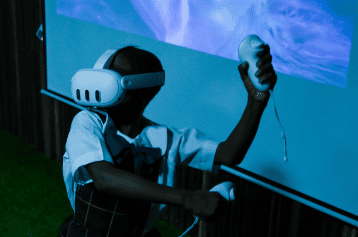
For many communities, Green Academies provide their very first internet connection. Through satellite technology, children gain access to digital learning, global knowledge, and virtual mentorship. It also connects teachers and families to new opportunities and resources.

 
4

Gardens & Biodiversity

Outdoor gardens and biodiversity spaces make learning hands-on and holistic. Children grow food, study ecosystems, and learn sustainable
agriculture. These green spaces also support nutrition programs, providing fresh produce for students.

5

Rainwater Systems

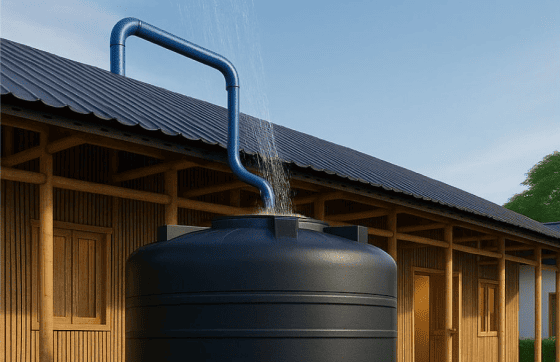
Green Academies are built with rooftop rainwater collection systems. Rainwater is stored, filtered, and treated to provide safe drinking water for students, teachers, and the wider community-improving health and reducing time spent fetching water.

6

Open-Air Design

Classrooms are designed with circular, open-air structures that maximize natural airflow and light. This reduces heat, lowers energy use, and creates healthier learning environments, without the need for costly air conditioning.

 
7

Full Annual Scholarships

Each Green Academy provides 250+ underserved children with free, high-quality education. Scholarships cover tuition and also books, meals, healthcare, psychosocial support, and skills development, ensuring every child has the tools to thrive.

8

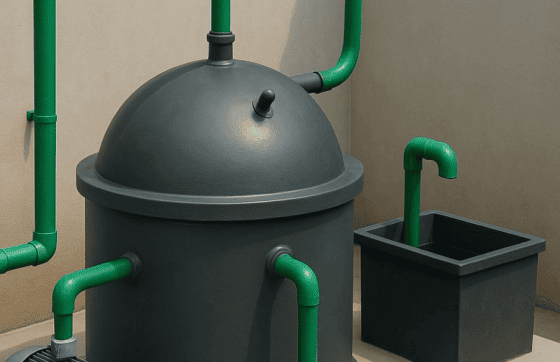
Biogas Systems

Waste from the school is converted into biogas through a clean, closed-loop system. This provides safe cooking energy and powers the backup generator – reducing pollution, improving sanitation, and teaching children about renewable energy in action.

 
9

Library & Innovation Lab

Every Green Academy includes a library, STEM and Innovation lab, giving children access to books, technology, and digital resources. This opens doors to coding, research, and global learning experiences that prepare them for the future.

Pledge a Birthday

Pledge a Birthday

References

  1. Global Education Monitoring Report Team (2016). Education for people and planet: creating sustainable futures for all.
  2. Comms, D. (2021). The ripple effects of investing in girls’ education. Plan International Australia.
  3. Comms, D. (2021). The ripple effects of investing in girls’ education. Plan International Australia.
  4. Comms, D. (2021). The ripple effects of investing in girls’ education. Plan International Australia.
  5. Global Education Monitoring Report (2023). 244M children won’t start the new school year.
  6. World Bank. (2019). Ending learning poverty: What will it take?
  7. Fatunmole, M. (2023). Key data on early childhood education in Nigeria. The ICIR- Latest News, Politics, Governance, Elections, Investigation, Factcheck, Covid-19
  8. Enoch, A. (2024) Quality education delivers growth – but Africa’s scorecard remains poor. ISS Africa.
  9. UNESCO. (2022). 244 M children won’t start the new school year. Paris: UNESCO.
  10. Fatunmole, M. (2023). Key data on early childhood education in Nigeria. The ICIR- Latest News, Politics, Governance, Elections, Investigation, Factcheck, Covid-19.
  11. World Bank. (2019). Ending learning poverty: What will it take?. World Bank.
  12. Quality education delivers growth – but Africa’s scorecard remains poor | ISS Africa. (n.d.). ISS Africa.
  13. Heminway, J., & Heminway, J. (2023). Why Becoming Educated is Hard in Sub-Saharan Africa – Especially for Girls – The Water Project. The Water Project.
  14. UNICEF, (2021), Transforming Education in Africa.
  15. World Economic Forum. (2023), How Africa’s youth will drive global growth.

Every sponsorship supports:

  • Construction: Eco-friendly school facilities built with locally sourced, sustainable materials

  • Innovation: Solar power, rainwater collection, biogas, gardens, and internet access.

  • Learning & Support: Scholarships, teachers, health services, and psychosocial care.

  • Sustainability: Training, monitoring, and integration into public systems.